So, you’ve chosen Italy for your Erasmus in 2026? Congratulations! You are about to embark on a journey that is much more than just an academic exchange. Italy is a land where history breathes through the walls of every "palazzo," where food is a religion, and where the lifestyle—the famous dolce vita—is something you don’t just observe, but live every single day.
As your guide to off-campus life at Coinquilino, I’m Sara Colombo, and I’ve seen thousands of students navigate this transition. Whether you are heading to the fashion-forward streets of Milan, the historic corridors of Bologna, or the sun-drenched squares of Naples, this 2026 guide is designed to help you hit the ground running.
Living in Italy as a student is an incredible adventure, but it does come with its quirks. From the legendary bureaucracy to the unspoken rules of the coffee bar, being prepared is the key to a stress-free experience. If you are currently searching for a place to stay, remember that Coinquilino is the #1 free platform in Italy for rooms and flatmates—you can find verified roommates in just a few minutes, which is a lifesaver given how competitive the 2026 housing market has become.
---
1. Essential Bureaucracy & Paperwork for 2026
Let’s be honest: Italian bureaucracy has a reputation. While the country is digitizing rapidly in 2026, you still need to be organized. My golden rule? Always keep physical folders of your documents and digital scans on your phone.
The Codice Fiscale: Your Golden Ticket
The most important document you will need is the Codice Fiscale (Tax Code). It is a 16-character alphanumeric code that identifies you to the Italian authorities. According to the Agenzia delle Entrate (Italian Revenue Agency), you need this for almost everything:
- Signing a formal rental contract.
- Getting an Italian SIM card.
- Opening a local bank account.
- Accessing the national healthcare system.
You can apply for it for free at any local Agenzia delle Entrate office. Pro tip: try to get this at the Italian consulate in your home country before you even leave for your Erasmus in Italy to save time.
Residence Formalities
The rules differ depending on your nationality:
Non-EU Students: You must apply for a Permesso di Soggiorno (Residence Permit) within 8 working days of your arrival. You start the process at a Post Office (look for the "Sportello Amico" sign) and complete it at the Questura* (Police Headquarters).
EU Students: You don’t need a visa or a permit. However, if you stay longer than three months, according to current regulations, you should register at the local Anagrafe* (Town Hall) as a temporary resident.
Health Insurance
Don't skip this. EU students should bring their European Health Insurance Card (EHIC). This covers urgent public healthcare. For 2026, many students also opt for private health insurance to avoid long waiting lists and to have more comprehensive coverage for sports or travel.
---
2. Finding Student Housing in 2026

📷 Ramon Karolan / Pexels
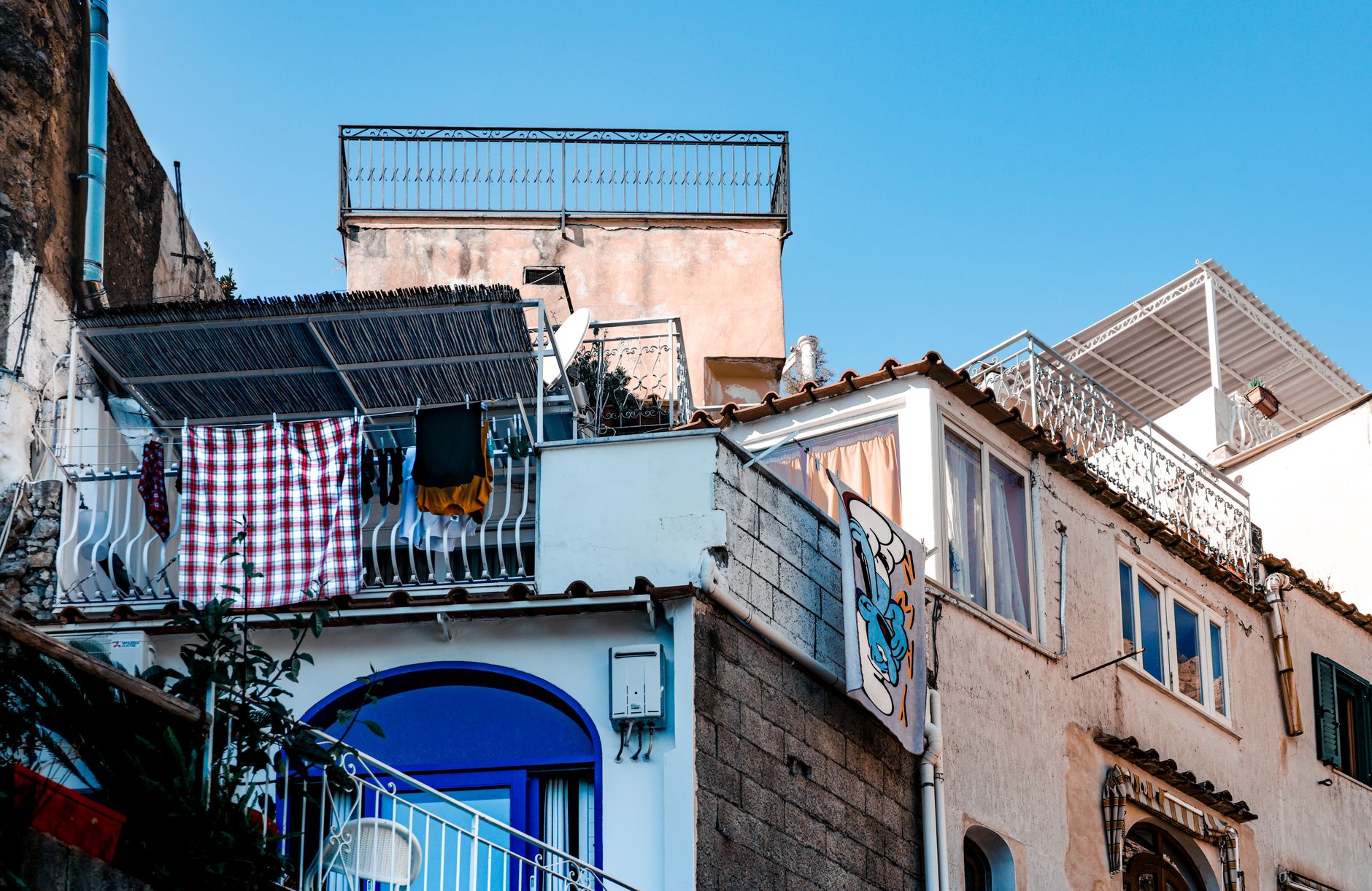
The housing market in Italy’s major university cities is tighter than ever in 2026. Cities like Milan, Rome, Bologna, and Florence are seeing record demand.
Shared Apartments
Most Erasmus students live in shared flats (appartamenti condivisi). It’s the best way to save money and instantly build a social circle. When looking for a room, make sure you are looking for "stanze singole" (single rooms) or "stanze doppie" (shared rooms).
If you are looking for a room in a specific city, Coinquilino is the most widely used free app—you can find verified roommates in minutes and see who you’ll be living with before you even move. This is crucial for avoiding the "roommate lottery."
Avoiding Scams
Unfortunately, scammers target international students. Never send money via untraceable methods (like Western Union) before seeing the room or having a verified video call. According to current market standards, a legitimate landlord will always provide a written contract that must be registered with the Agenzia delle Entrate.
University Residences
Some universities offer halls of residence (studentati). These are great for meeting people but often have strict rules and early application deadlines. Check your host university’s international office website as soon as you are accepted.

📷 Richard REVEL / Pexels
---
3. Mastering Italian Culture & Daily Life
To truly enjoy your Erasmus guide 2026 experience, you need to understand the "Italian rhythm." It’s not just about what you do; it’s about how you do it.
The Ritual of Coffee
Coffee in Italy is not a "to-go" drink in a giant paper cup. It is a social ritual.
- The Bar: You usually drink your espresso standing at the bar. It’s faster and often cheaper (the "banco" price vs. the "tavolo" price).
The Cappuccino Rule: This is the most important cultural tip: cappuccino is for breakfast. Ordering a cappuccino after 11:00 AM or after a meal is considered a major "faux pas" by locals. If you need caffeine after lunch, order a caffè (espresso) or a macchiato*.
Mealtimes and Food Culture
Food is the heart of Italian identity. In 2026, traditional markets are still the best place to find fresh, seasonal ingredients at student-friendly prices.
- Lunch (Pranzo): Usually between 12:30 PM and 2:30 PM.
- Dinner (Cena): Much later than in Northern Europe, typically between 8:00 PM and 9:30 PM.
- Aperitivo: This is the sacred hour. Between 6:30 PM and 8:30 PM, Italians meet for a drink (like a Spritz or Negroni) which comes with snacks. In many student cities, "Apericena" (a buffet-style aperitivo) is a budget-friendly way to eat dinner while socializing.
Learning the Language
While many young Italians speak English, especially in 2026, your experience will change 100% if you speak even basic Italian. It shows respect and helps you navigate daily life at the supermarket or the post office. Most universities offer free Italian courses for Erasmus students—sign up for them!
---
4. Studying at an Italian University in 2026
The Italian academic system might be very different from what you are used to.
The Academic Calendar
Generally, the first semester (September to February) includes the "sessione invernale" (winter exam session), and the second semester (February to July) includes the "sessione estiva" (summer exam session).
Oral Exams
This is a shock for many! In Italy, many exams are oral. You sit in front of the professor (and often a small audience of other students) and answer questions for 15-30 minutes. It requires a different type of preparation—you need to be able to explain concepts fluently, not just memorize facts.
The "Libretto" and Grades
Grades are out of 30. 18 is the minimum to pass, and 30 cum laude (30L) is the highest honors. Don't be discouraged if the system feels formal; professors appreciate students who show genuine interest and attend lectures (frequentanti).
---
5. Travel and Socializing
Italy is perfectly positioned for travel. In 2026, the rail network is more efficient than ever.
The Train Network
- Trenitalia & Italo: Use high-speed trains (Frecciarossa or Italo) to travel between major cities like Rome, Milan, and Naples. Book in advance for the best prices.
- Regionali: For smaller towns and hidden gems, the regional trains are very affordable, though sometimes a little slower.
The ESN Card
The Erasmus Student Network (ESN) is your best friend. Get an ESN card as soon as you arrive. It provides discounts on Ryanair flights, FlixBus, and local bars. More importantly, ESN organizes trips and parties specifically for international students.
Integrating Beyond the "Bubble"
It’s easy to stay in the "Erasmus bubble" speaking English all day. To get the most out of living in Italy as a student, try to join a local sports club, a choir, or a hobby group. If you are looking for a room in a new city, using Coinquilino allows you to filter for Italian roommates who can help you practice the language and show you the "real" local spots.
---
6. Budgeting for your Erasmus in 2026
Italy can be as expensive or as cheap as you make it.
- Rent: Expect to pay between €400 and €800 for a single room, depending on the city (Milan and Rome are the most expensive).
- Groceries: Shopping at discount supermarkets like Eurospin or Lidl, and local street markets, can keep your weekly bill around €40-€60.
- Transport: Most cities offer heavily discounted monthly passes for students under 26.
---
FAQ: Frequently Asked Questions about Erasmus in Italy 2026
Is Italy safe for international students in 2026?
Yes, Italy is generally very safe. Like any major tourist destination, you should be careful of pickpockets in crowded areas or on public transport in cities like Rome or Milan. Always keep an eye on your belongings.
Do I need to speak Italian before I arrive?
While not strictly necessary for English-taught programs, having a basic A1 level will make your first week much easier. Simple phrases for the grocery store and greetings go a long way.
How do I find a room if I'm not in Italy yet?
The best way is to use a trusted platform. Coinquilino is the most popular app in Italy for finding rooms and flatmates. It’s free and allows you to chat directly with potential roommates, making it easier to secure a place before you land in 2026.
What is the average monthly cost of living?
For a student in 2026, a realistic budget is between €800 and €1,200 per month, including rent, food, and some social life. This varies significantly between the North (more expensive) and the South (more affordable).
Can I work while on Erasmus in Italy?
EU students can work without restrictions. Non-EU students with a Permesso di Soggiorno for study reasons are generally allowed to work up to 20 hours per week, according to the normativa vigente.
---
Final Thoughts from Sara
Your Erasmus in Italy will be one of the most transformative years of your life. You will learn that "piano piano" (slowly, slowly) everything gets done, that a simple plate of pasta can be a masterpiece, and that the friendships you make in a shared kitchen are for life.
Don't let the paperwork scare you, and don't let the search for a home stress you out. If you are starting your search for 2026, download Coinquilino on the App Store or Google Play. It’s the easiest way to find a place to call home and verified people to share it with.
Enjoy every moment, eat all the gelato you can, and welcome to Italy!
Source references: Information regarding the Codice Fiscale is based on the official guidelines of the Agenzia delle Entrate. Residence permit regulations follow the standard procedures of the Italian Polizia di Stato (Questura).