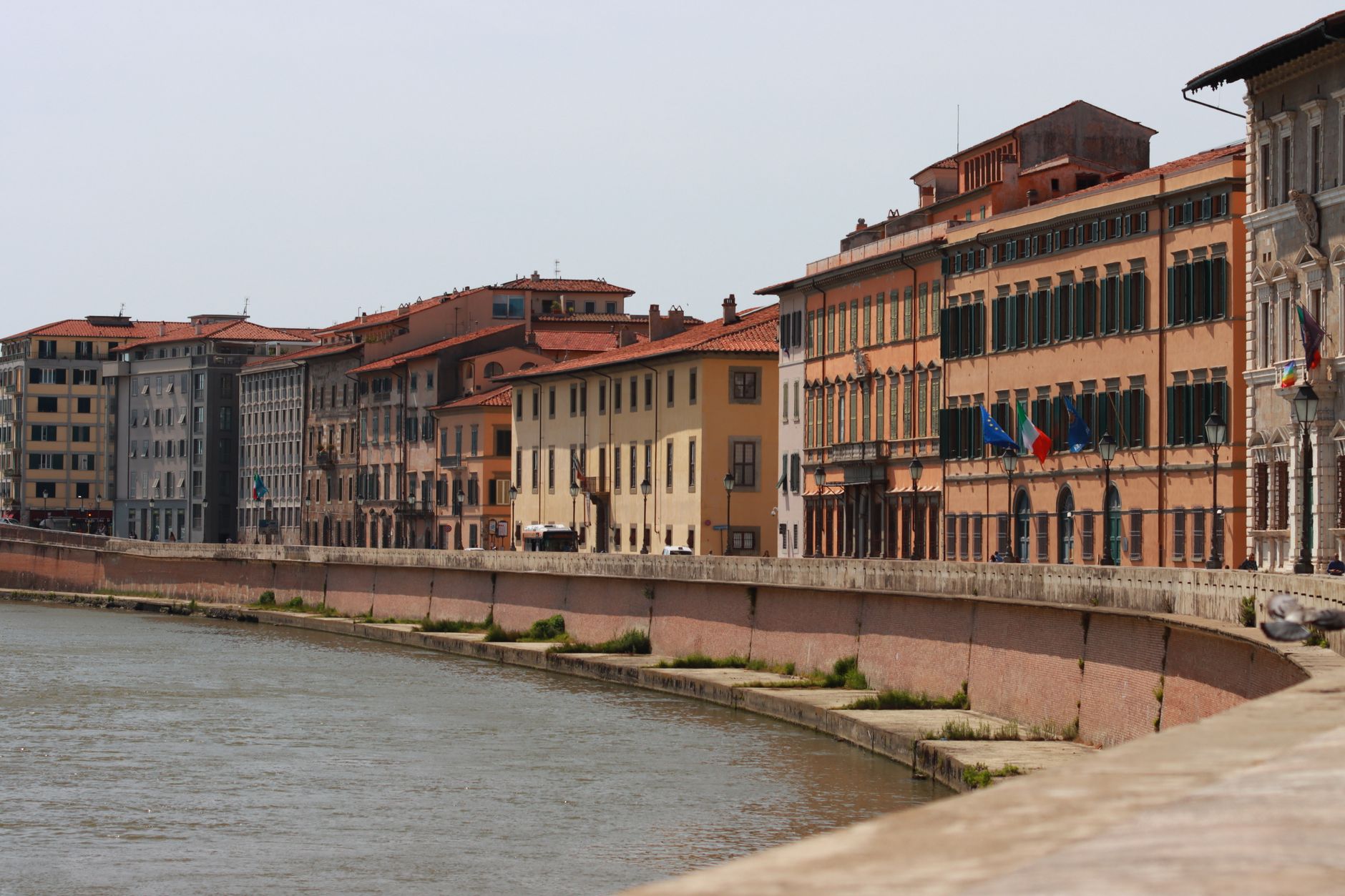
Why do rental scams in Ghent spike every September?
Ghent is a student city with a housing-math problem. Ghent University alone welcomed 1,691 incoming exchange students in 2024-25, according to the Ghent University Fact Sheet 2024-2025, and the year before it took in more than 1,744 exchange students from 63 countries. Across all programmes the university hosts over 7,400 international students — roughly 15% of enrolment, per Ghent University's own facts and figures. Add HOGENT and Artevelde arrivals and the September wave is larger still.
Exchange students are the softest target in that wave: many book from abroad, arrive days before term, and have no local contact to view a place for them. Demand peaks in a matter of weeks while the kot supply barely moves, and fraudsters plan around exactly that. Belgium's federal cybersecurity authority, Safeonweb, warns plainly that a tight housing market creates ideal conditions for rental fraud. Ghent's answer is Kotatgent, an anti-fraud coalition of the city, the student ombudsperson and every college housing service, formally set up in 2021 to fight fraud that returns each rental season. The scams are seasonal because your desperation is.
Trick 1: Is it legal to pay a Ghent deposit by bank transfer?

📷 www.kaboompics.com / Pexels
No — and this is the single most common scam. In Flanders the huurwaarborg (rental deposit, garantie locative in French-speaking Belgium) is capped at three months' rent and must sit in a geblokkeerde rekening, a blocked savings account in your own name, according to KBC Brussels. A landlord who demands cash, or a transfer to a personal account, is breaking the law. The legitimate process protects you: the money is frozen, and neither side can touch it without the other's agreement or a court order.
Scammers skip all of that. They ask you to wire a "deposit" or "first month" to lock in the kot before you have seen it, then disappear. In September 2023, individual international students in Ghent and Flanders lost between €700 and €1,000 each this way, VRT NWS reported. Ghent University's official advice is blunt: never pay a deposit before you have signed a contract and confirmed the unit actually exists.
Trick 2: Why do Ghent kot ads reuse the same photos?
📷 LIZHI LIANG / Pexels
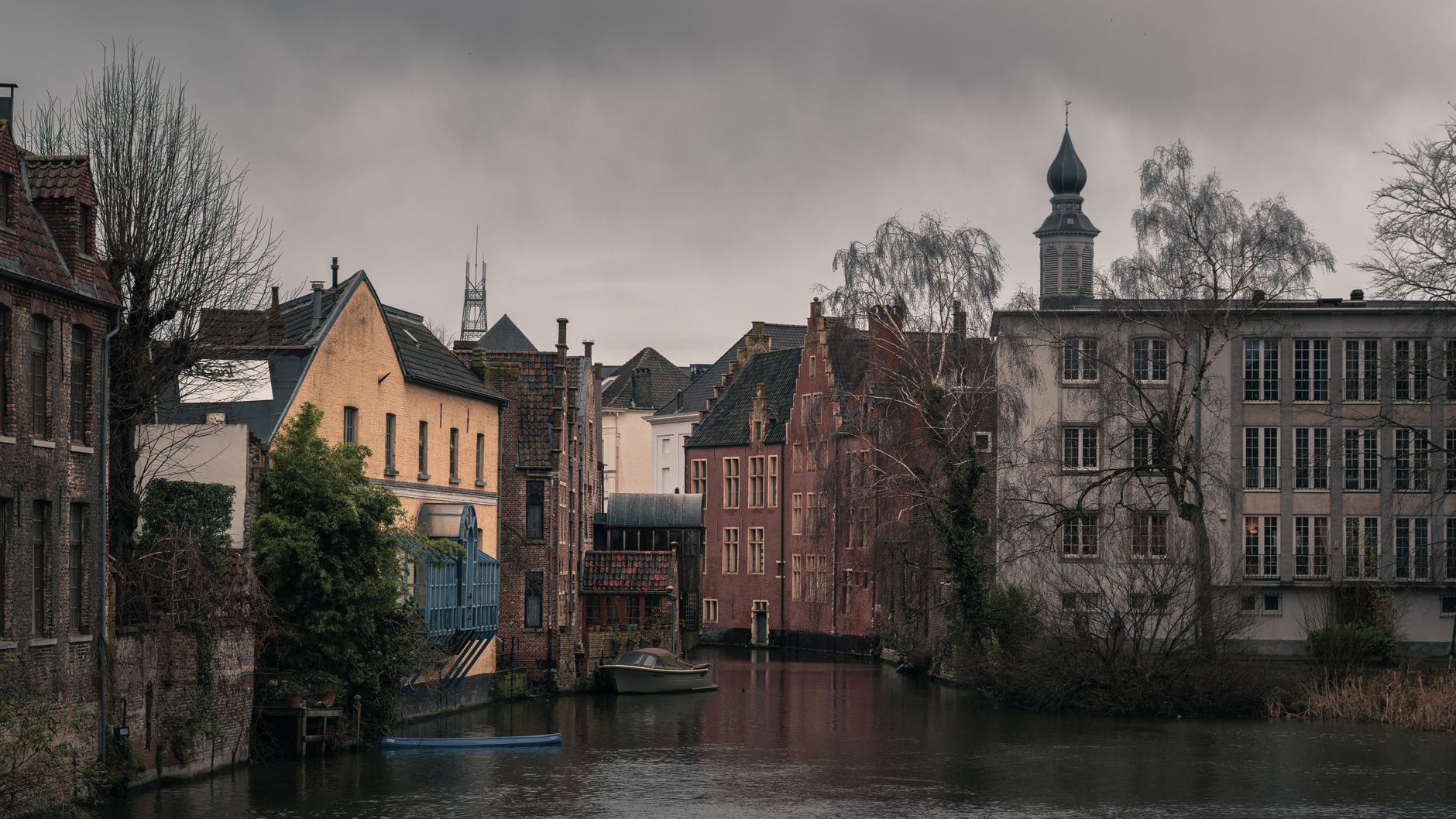
Because the room in the photo often isn't for rent — sometimes it isn't even in Belgium. VRT NWS found that the September 2023 scams ran through fake Facebook advertisements built from recycled listing photos lifted from real properties in France and Spain, with payment requested to personal bank accounts. Investigators traced much of the operation to Romania-based criminal networks working at scale, which is why the same too-good kot resurfaces under different names each week.
A reverse image search is your fastest defence. Drop the listing photo into Google Images or TinEye; if the same shot turns up on a French estate agency or a Spanish holiday-let site, walk away. Genuine Ghent listings also carry paperwork a scammer won't have — an EPC (energy performance certificate) and a real street address you can pin on a map. An ad that is only ever a phone number and three flawless photos is the one to distrust.
Trick 3: The fake UGent accommodation offer
Fraudsters know international students trust anything that looks official, so they imitate it. Fake "university housing office" emails promise a guaranteed kot the moment you pay a reservation fee — but neither UGent nor the city ever collects a private deposit into a personal account on a landlord's behalf. Check the sender's domain against the real ugent.be or stad.gent address, and be suspicious of free webmail dressed up as an institution.
The City of Ghent spells it out on its own page for international students: "Beware of fraudulent advertisements on the internet!" It steers students to its verified platform, kot.stad.gent, run through the Kotatgent collaboration. Price is another tell. The average private-market room in Ghent runs about €542 a month and a studio about €701 for 2025-26, according to Ghent University's housing figures. A central, furnished kot advertised far below that — with a fast-talking "official" pushing you to pay today — is bait.
Trick 4: Should you ever send a landlord your passport?
Be very careful here. Belgian scammers routinely ask for a photo of your ID card or passport "to prepare the contract," and KU Leuven's official fraud advisory warns that these copies are harvested for identity theft reaching well beyond the rental itself. A stolen passport scan can open bank accounts and sign agreements in your name.
A real kotbaas does eventually need your details — for the lease and for your domiciliation, the registration of your address at the commune. But that happens at signing, inside a proper contract, not over WhatsApp before you've set foot in the room. If one message asks for your passport and a deposit, and you've met nobody, you aren't renting a kot — you're being farmed for data. Hand over ID documents only once a verified, registered lease is in front of you.
Trick 5: The absentee kotbaas who's "abroad"
This one wraps the others in a tidy story. The "owner" is conveniently working abroad, can't show the kot in person, but will courier the keys the instant your deposit lands — sometimes through a fake escrow service or "agency" for a veneer of legitimacy. No viewing, no contract, no verifiable name: just a warm message and an IBAN.
There is no honest reason a Ghent landlord cannot arrange a viewing, in person or by live video with someone physically inside the flat. Insist on one, and ask the person to hold today's newspaper or move to a specific window on camera. Safeonweb notes that a squeezed market is precisely where this pressure works, because a good kot at a fair price feels too precious to question. When a landlord's entire pitch is the reason you can't see the place, that reason is the scam — not an obstacle around it.
How do you verify a Ghent kot is real before you pay?
Run every listing through the same short checklist:
- See it first — in person, or a live video walk-through — and never pay before a signed contract. That is Ghent University's core rule.
- Check the deposit is legal: maximum three months' rent, into a geblokkeerde rekening in your name, never cash to a personal account (KBC Brussels).
- Demand the paperwork. A legitimate landlord must register the lease with the tax authority (FOD Financiën) within two months, free of charge, and can produce an EPC — per HOGENT's student housing guide.
- Reverse-image the photos and sanity-check the rent against the €542 room / €701 studio Ghent averages for 2025-26 (Ghent University).
- Start on verified channels such as the city's kot.stad.gent, not anonymous ads.
You can also widen the search with roommate apps that require real profiles instead of throwaway ads or an anonymous colocation post — Coinquilino is one free room and roommate app, originally from Italy and now available in Belgium (full disclosure: it's ours). Whichever platform you use, the checklist matters more than the logo on it. For more on renting safely, see our blog.
FAQ
Is it normal to pay a deposit before seeing a kot in Ghent?
No. Ghent University's official guidance is to never pay a deposit before you have signed a contract and personally confirmed the unit exists. Any request to wire money "to reserve" an unseen room is the clearest red flag on this list.
How much deposit can a Ghent landlord legally ask for?
In Flanders the huurwaarborg is capped at three months' rent and must be placed in a geblokkeerde rekening — a blocked account in your name — according to KBC Brussels. A demand for cash, or a transfer to the landlord's personal account, is illegal.
Where do I report a rental scam in Ghent?
Report to the local police and to Safeonweb, Belgium's federal cybersecurity service, which takes suspicious listings at suspicious@safeonweb.be — the route Ghent University recommends. Ghent's Kotatgent coalition also channels student housing-fraud cases to the Federal Police.
Are Facebook groups safe for finding a kot in Ghent?
They can work, but they are also where the scams live. VRT NWS found the September 2023 Ghent scams ran on fake Facebook ads using recycled photos from properties in France and Spain. Treat any Facebook listing as unverified until you've viewed the room and checked the paperwork.
What is the average price of a student room in Ghent?
For 2025-26, Ghent University puts the average private-market room at about €542 a month and a studio at about €701. HOGENT's figures are close — roughly €533 for a room including €88 of utilities. A listing far below these is either a bargain worth verifying or a lure.
---
This article was produced with the help of AI tools and reviewed by the Coinquilino editorial team.