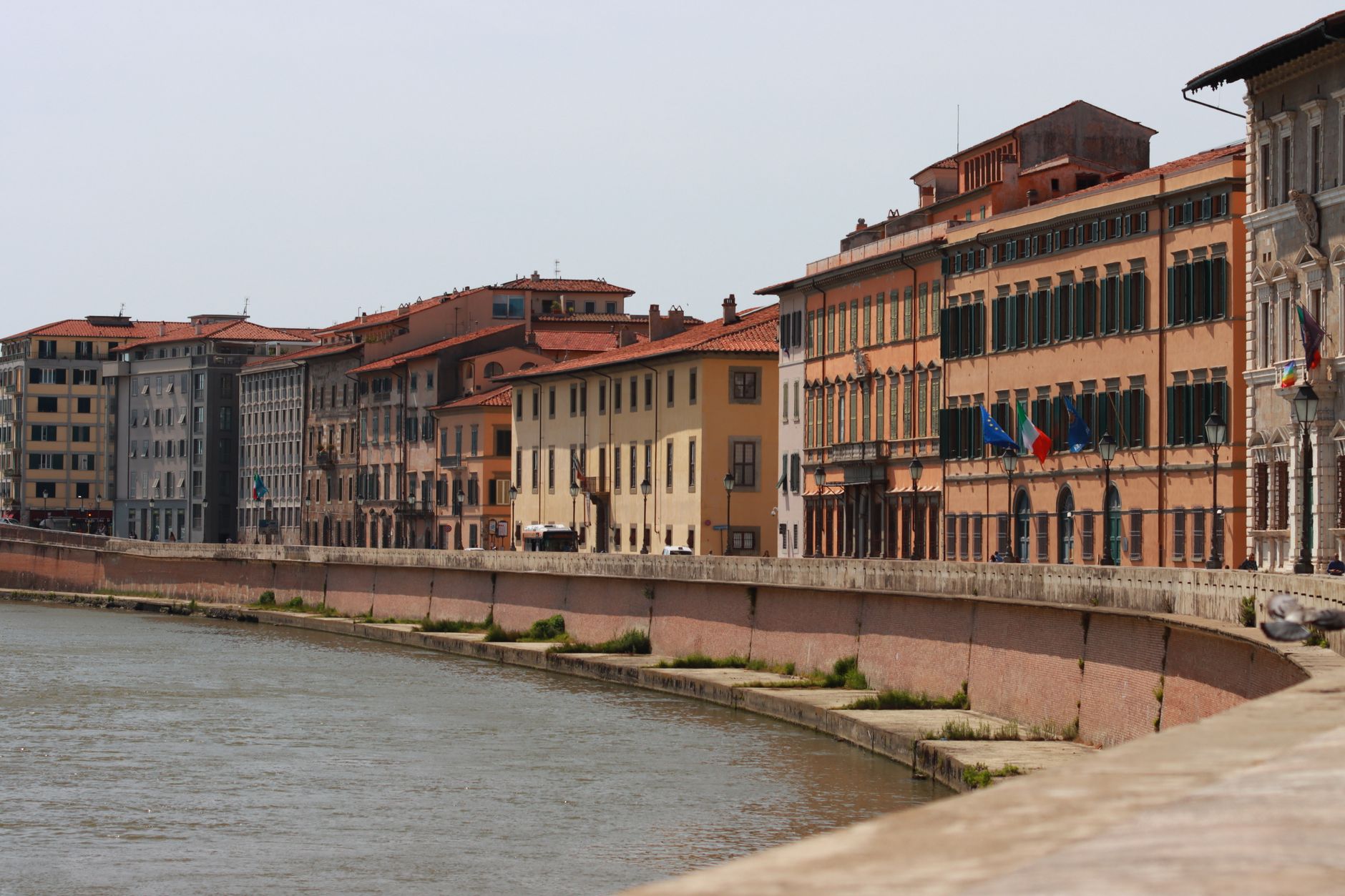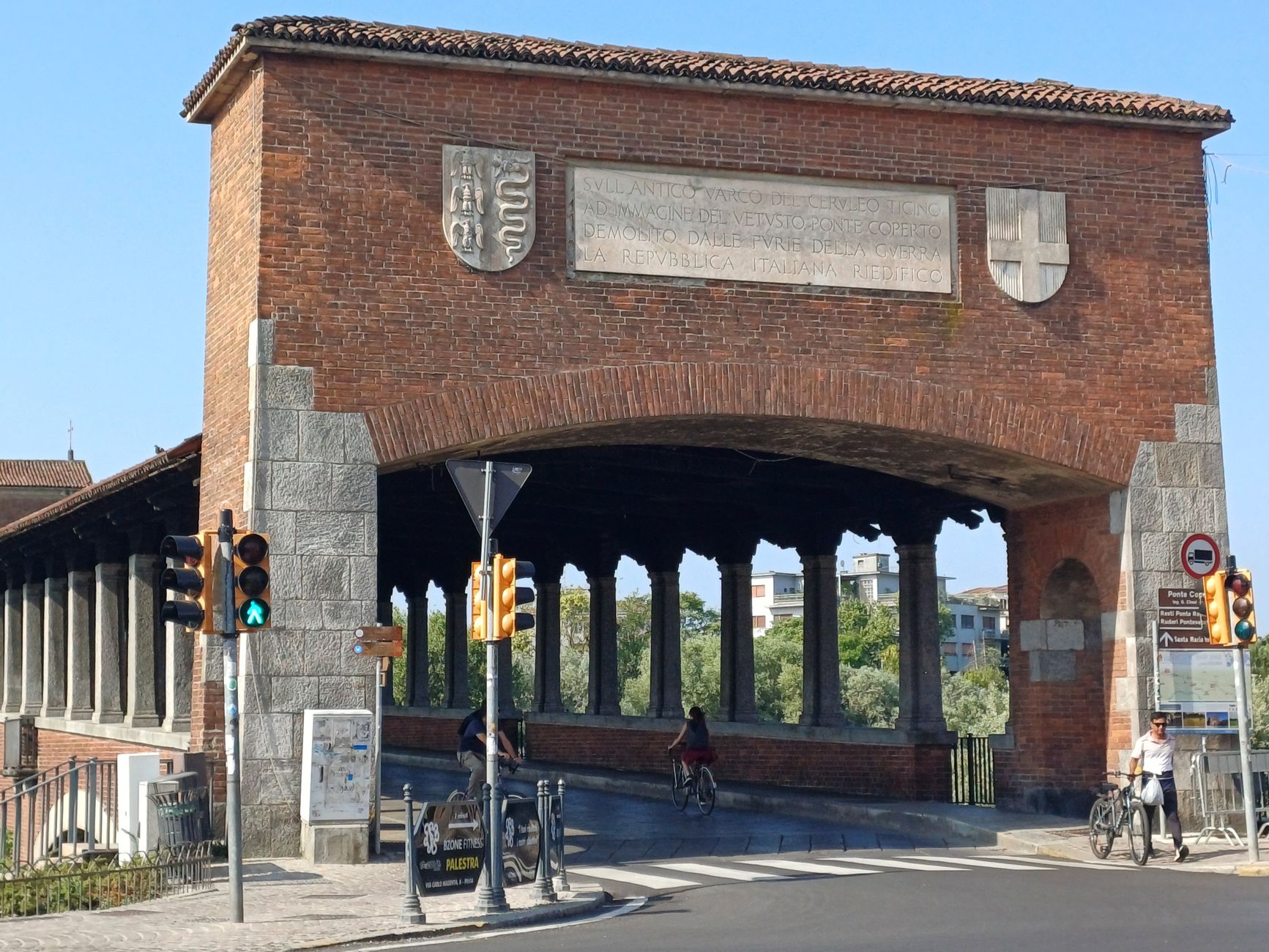
A note on how this article is built: only one Pavia-specific scam case is publicly documented in detail, the 2023 one above. The five listings described here are archetypes assembled from that case plus the two scam mechanics identified by Italy's SoloAffitti research centre, not five separate reported incidents.
Why do rental scams in Pavia spike every September?
Because demand arrives all at once, from people who are not yet in the country. Il Sole 24 Ore, citing the Centro Studi SoloAffitti in October 2025, reports roughly a 20% rise in scam and attempted-scam reports from students over the previous two years, with spikes at the start of academic semesters. The same research names Pavia directly, alongside Parma, Perugia, Lecce and Trento, among medium-sized university cities seeing rising scams and irregular contracts.
The pressure is structural. ANSA reported in January 2025 that the University of Pavia grew from around 24,000 to more than 27,500 enrolled students in five years, about +15%, with 5,857 new enrolments recorded as of 20 September for the 2024/2025 academic year. Pavia is a small city absorbing that growth.
Collegio residences absorb very little of it. PrimaPavia reported in 2021 that Collegio Ghislieri, the city's landmark merit college, offered 30 places in an admission cycle, awarded by competitive public exam — an old figure, but illustrative of the scale. Almost everyone else, including almost every Erasmus arrival, ends up on the private market.
Fake listing 1: the price that doesn't survive a street check

📷 https://kaboompics.com/ / Pexels
The bait is always a number slightly too good. In the 2023 Il Giorno case the fake room was advertised at €360 a month — not absurd, just cheap enough to make a stranded student stop checking and start writing.
Honest caveat: there is no reliable, current, publicly verifiable average room price for Pavia specifically. The big portals block automated checks, and inventing a figure would make you worse at spotting scams, not better. So build your own reference instead: pull ten current listings for rooms in the same zone, on the same week, and look at where they cluster.
Anything sitting well under that cluster needs a reason you can verify — a shared room, a ground floor on a loud road, a contract ending in June. "The owner just wants a quiet student" is not a reason. For the national picture behind your local check, our breakdown of Italian rental prices in 2026 shows how wide the spread between cities really is, which is exactly the spread scammers exploit when you arrive with no baseline.
Fake listing 2: the "padrone di casa fantasma" who lives abroad
📷 SplitShire / Pexels
Padrone di casa fantasma — phantom landlord — is the second dominant pattern named by the Centro Studi SoloAffitti in the Il Sole 24 Ore report. The script: the owner claims to be working abroad, or temporarily unable to show the flat in person, but is happy to take payment now and "send the keys".
Variations you will meet in Pavia inboxes: the owner is a doctor in London, the flat belongs to a relative who died, an agency will "handle everything remotely", the keys travel by courier. The photos are usually real — stolen from a genuine listing elsewhere, which is why the flat looks convincing and the price looks wrong.
The counter-test is cheap. Ask for a live video call, walking, right now, showing the entrance, the street sign, the intercom with a surname on it, and the boiler. Real landlords find this annoying; fake ones find it impossible. If you genuinely cannot travel, send a friend, a classmate already in Pavia, or a paid local agency to view it in person — never accept the video the seller pre-recorded.
Fake listings 3 and 4: the caparra before the visit, and the queue that doesn't exist
The truffa della caparra anticipata — advance-deposit scam — is the first pattern SoloAffitti names, and it is the one that actually takes your money. The mechanic: a listing at a below-market price, then a request to "block" the room with a deposit because demand is high, then silence. In the Il Giorno case the requested rail was a prepaid card, which is the tell: prepaid cards, crypto, Western Union and gift codes are chosen because they cannot be reversed.
The manufactured queue is what makes you skip the checks. "Three other students are viewing today", "I need confirmation by tonight", "another Erasmus already sent the money". Real Pavia landlords do have a queue in September; they don't need you to feel it in the first ten messages.
Two hard rules fix both. First: money moves only at the signature, in person, against a written contract — never to hold a viewing slot. Second: only ever pay by bank transfer to an IBAN matching the name on the contract and on the owner's ID, because a traceable transfer is the only thing your bank and the police can chase later. Anything else, get your deposit rules straight first.
Fake listing 5: what makes a Pavia rental contract legally real?
Registration. A contratto di locazione — rental contract — must be registered with the Agenzia delle Entrate, Italy's tax agency, and Consulenza Legale Italia notes the deadline is 30 days from signing, with an unregistered contract null and void under Cassazione ruling no. 25503/2016. That nullity cuts your way: rent paid under an unregistered contract can be reclaimed.
Registration also costs the landlord real money, which is why a fake one never mentions it. Per the Agenzia delle Entrate, the ordinary registration tax on a residential lease is 2% of the annual rent, with a minimum of €67 per year, plus €16 in stamp duty per four pages or 100 lines. Many landlords instead opt for the cedolare secca, a flat-tax regime that replaces those charges — either answer is fine; no answer is not.
There is a second tell here that Erasmus students consistently miss. To register anything, the landlord needs your codice fiscale, the Italian tax code every resident gets, and will normally ask about your permesso di soggiorno if you are non-EU. A "landlord" who never asks for either is not planning to register anything. Students often get a contratto transitorio, a short-term lease used for study stays; it is legitimate, and it still gets registered.
How do you verify a Pavia listing before you send money?
Six checks, in order, none of which take more than ten minutes.
Reverse-image-search the photos: if the same room appears in Rome and Bratislava, stop. Ask for the owner's full name and the address, then check the name matches the intercom and the IBAN. Ask which contract type they will register and under which regime — the vague answer is the answer.
Then: view it, in person or via a person you trust. Read the contract before any payment, and check the deposit against the legal ceiling — La Legge per Tutti summarises Art. 11 of Law 392/1978 as capping the security deposit at three months' rent. Finally, keep every message, listing screenshot and transfer receipt in one folder, before you need them. The national version of this playbook, beyond Pavia, is in our guide on how to spot rental scams in 2026.
Context for how routine this has become: the Polizia di Stato's 2025 cybercrime figures, published in January 2026, record 51,560 cybercrime cases handled nationally, including 27,085 economic and financial cases with 4,489 people investigated. Online fraud in Italy is an industry, not an accident.
Where should Erasmus students in Pavia actually look?
Start with the channels the university itself points at. The University of Pavia's Living in Pavia page directs incoming international students to two official routes: EDISU-managed collegio residences, whose application deadline typically falls at the end of July, and the Centro Assistenza Studenti, the university's own help desk, which maintains a vetted database of private flats. Both are slower and less glamorous than Facebook groups. Both are also much harder to fake.
For the private market, prefer platforms where the other side has a persistent profile, a history, and something to lose — an account that can be reported and removed beats an anonymous post in a large group where anyone can vanish. Coinquilino (coinquilino.app), a free app for finding rooms and roommates in Italy, is one of those; full disclosure, Coinquilino is our app, and no platform on earth can promise you a scam-free listing. What a profile-based platform changes is the cost of disappearing.
Whatever channel you use, the sequence stays identical: view, read, sign, then pay. Reverse that order and no platform can help you.
What should I do if I have already paid for a Pavia room?
Move the same day. Ask your bank for a recall or chargeback on the transfer, then file a denuncia, a formal criminal complaint, with the Polizia Postale, Italy's cybercrime police, bringing screenshots, the listing, the IBAN and every message. Tell your Erasmus office and the Centro Assistenza Studenti as well. In the 2023 Il Giorno case at least seven students had answered the same ad, and reporting is often what connects victims and gets the listing removed.
Is it normal to pay a deposit before seeing a room in Pavia?
No. Paying to "block" a room sight-unseen is precisely the truffa della caparra anticipata described by the Centro Studi SoloAffitti in the October 2025 Il Sole 24 Ore report. Demand in Pavia is genuinely high in September, and that is exactly why the request feels plausible. A deposit belongs at the signature, in person, against a written contract.
How much deposit can a landlord legally ask for in Italy?
La Legge per Tutti, citing Art. 11 of Law 392/1978, puts the ceiling at three months' rent for a residential lease. Anyone asking for more is either uninformed or not a landlord. Note that caparra and cauzione get used interchangeably in ads even though they are legally distinct — the number is what you check, not the word.
Can I rent legally in Pavia without a codice fiscale?
You need one for the contract to be registered, so in practice no. Getting it is free and fast, and it is the first errand worth doing before you sign anything. Treat a landlord who says it is unnecessary as a red flag rather than a favour.
Are Facebook groups for Pavia student housing risky?
They are not inherently fraudulent, but they are the easiest surface to attack: a new account, stolen photos, a low price, and a direct message. The Il Sole 24 Ore report notes that both dominant scam patterns depend on contact happening off-platform and payment happening early. If you use groups, cross-check the person and never let the conversation jump straight to payment.
What if the landlord refuses to register the contract?
Then you do not have a valid lease. Consulenza Legale Italia notes that an unregistered rental contract is null and void under Cassazione ruling no. 25503/2016, and that rent paid under it can be reclaimed. Unregistered also means no residency, no rent tax deduction, and no leverage if the deposit is withheld. Walk away, or insist on registration within the 30-day deadline before you hand over anything.
---
This article was produced with the help of AI tools and reviewed by the Coinquilino editorial team.