Why are Amsterdam roommate red flags so high-stakes right now?
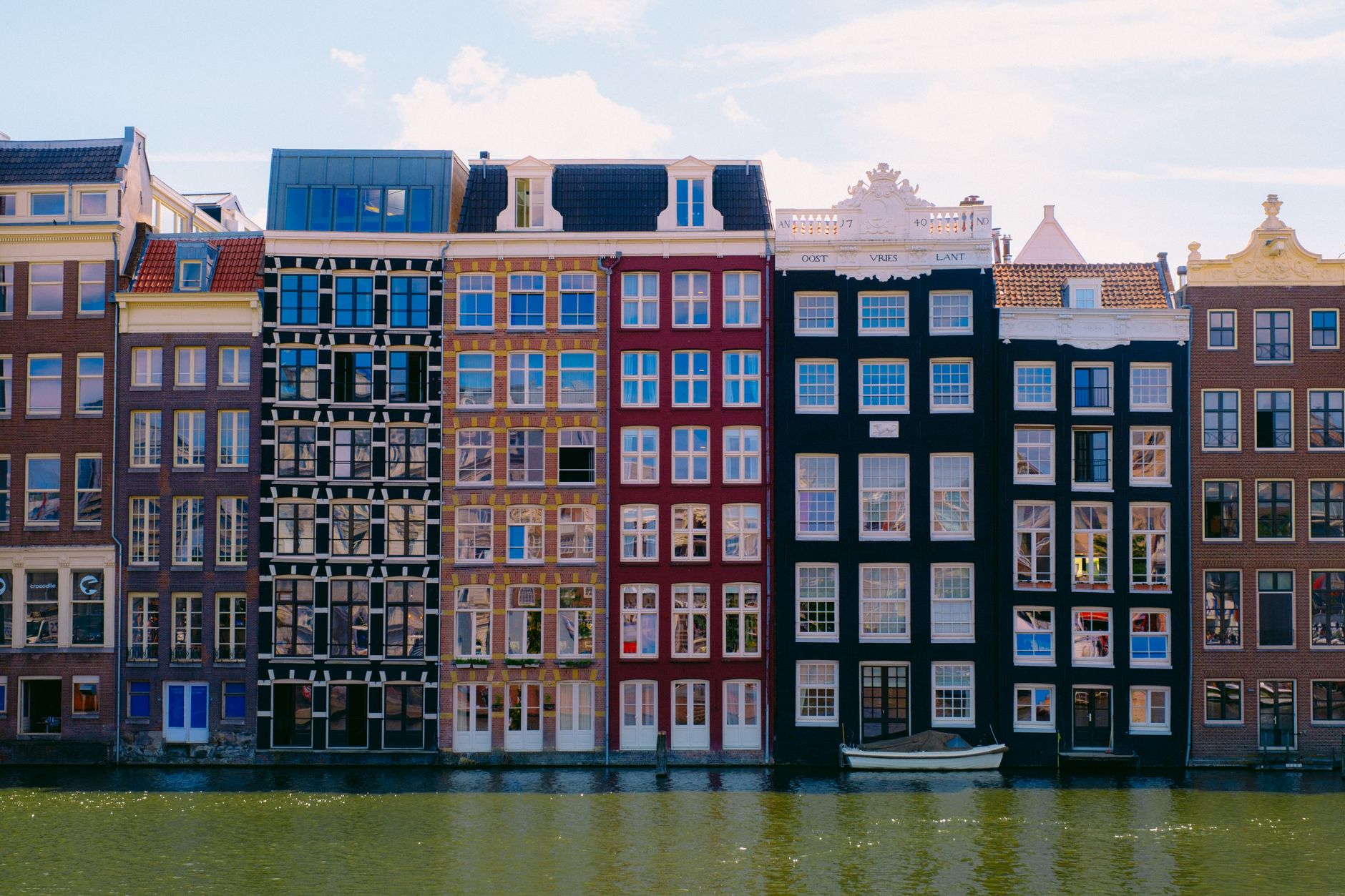
Amsterdam is the most expensive room market in the Netherlands. The average room rented for €950 a month in Q3 2025, up 3.4% year-over-year, the highest of all 19 Dutch cities Kamernet tracks (Kamernet Rent Report Q3 2025). Compare that to the national student-room average of €601 a month in Q1 2025, and the pressure becomes obvious.
Supply is shrinking while demand climbs. Room supply across Dutch cities contracted 8.2% year-over-year in Q3 2025, and the Netherlands carried a housing shortage of 396,000 homes in 2024 — 4.8% of total housing stock, per the Dutch Ministry of Housing via NL Times.
When every kamer has a queue behind it, people accept flatmates and terms they'd normally refuse. That's exactly when red flags get ignored — and when they cost the most.
Red flag 1: "You can't register here" (the BRP trap)

📷 cottonbro studio / Pexels
This is the one that turns an inconvenience into a legal problem. In Amsterdam, EU residents must register at their actual address in the BRP (Basisregistratie Personen) within five days of moving. Your landlord must give written permission — adrestoestemming — for you to do it.
A listing or flatmate that says "registration not possible" is a documented signal of illegal subletting, according to the official I amsterdam registration guide. Subletting a room without the primary landlord's written consent is illegal in the Netherlands and grounds for immediate lease termination — and the subtenant is the one who gets evicted.
No BRP registration also blocks your bank account, health insurance, and tax number. If a flatmate waves this away as "how it works here," treat it as your loudest warning sign, not a quirk.
Red flag 2: A flatmate who deflects every conversation
📷 Jubayer Hossain / Pexels
Here's a red flag that reads differently in the Netherlands than almost anywhere else. Dutch culture prizes directness — locals are expected to raise issues plainly, whether it's the dishes, quiet hours, or a late rent share. A flatmate who addresses a problem to your face is behaving normally.
So the anomaly isn't the person who tells you something bluntly. It's the flatmate who deflects, goes silent, or answers every practical question with a vague "we'll figure it out." In a directness culture, conflict-avoidance is the unusual behavior, and it often hides the real terms of the arrangement.
Before you commit to sharing a kamer, ask direct questions: Who is on the lease? Who holds the deposit? How are bills split? A flatmate who won't answer plainly in a country built on plain answers is telling you something.
Red flag 3: Are you being overcharged? (The WWS points trap)
Many Amsterdam rooms are rent-regulated even when they're advertised as "private market" — and overpayment is common. The Dutch Affordable Rent Act, effective July 1, 2024, expanded regulation into the mid-segment. Properties scoring 144–186 WWS points carry a maximum rent of €879.67–€1,157.95 a month, per the Huurteam Nederland points-system explainer. Only properties at 187+ points are true free market.
A flatmate collecting rent from you may be charging above the legal cap — knowingly or not. Since July 1, 2024, tenants in the mid-segment can challenge overpayments before the Huurcommissie (Rent Tribunal) for a €25 filing fee, refundable if you win.
The red flag: a lead tenant who refuses to show the WWS point count, or gets defensive when you mention the huurcommissie. In a regulated room, that defensiveness usually means the number won't survive scrutiny.
Red flag 4: The flat has too many people (the permit trap)
Amsterdam limits how many unrelated adults can share an address. Any shared housing with three or more unrelated adults requires a conversion permit — an omzettingsvergunning. Without it, a maximum of two unrelated adults may register at one address, per Home of Orange's 2025 shared-housing rules.
So if you're the third or fourth person moving into a flat with no permit, two things follow. You may be unable to register in the BRP at all — chaining back to red flag one. And the whole household risks high housing-fraud fines and sudden eviction if the gemeente investigates.
Ask directly how many people are registered at the address and whether the flat holds a conversion permit. A vague answer to a permit question in a four-person flat is a red flag dressed as a shrug.
Red flag 5: Pressure, prepayment, and untraceable money
Rental fraud is surging. Fraud reports to Dutch authorities jumped 60% to over 100,000 cases in a recent period, with the average victim losing €1,200 and only 1% recovering their money, according to NL Times.
The documented Amsterdam patterns are consistent: below-market bait pricing (a €800 studio in a canal district where the real rate is €1,400+), pressure to pay a deposit before any viewing, a landlord "abroad" who can't meet you, and requests for Western Union or crypto payment (RentHunter).
Know the deposit rules so you can spot a violation. Under the Good Landlordship Act, in force since July 1, 2023, the maximum deposit is two months' basic rent, returned within 14 days if there's no damage. Anyone demanding more, or demanding it before you've seen the room, is showing you the red flag.
How do you check a roommate or listing before you commit?
Do these before signing anything. View in person, or on a live video call where you can ask the person to show the room and the street. Get names on paper: who is the huurder, who is the verhuurder, who holds the waarborgsom.
Confirm registration up front. Ask, in writing, whether you can complete BRP registration and whether the landlord will provide adrestoestemming. If the answer is no or "not possible," walk away — that single question filters out most illegal sublets.
Meet the existing flatmates, not just the person collecting rent. If you're arriving from Italy or elsewhere in the EU, a free room-and-roommate app like Coinquilino — made in Italy and now available in the Netherlands — lets you message potential flatmates directly before you fly in (full disclosure: Coinquilino is our app). Whatever platform you use, the goal is the same: real conversations before real money.
If you're still comparing neighbourhoods and budgets, our guide to rooms for rent in Amsterdam you can still afford pairs well with this checklist, and if scam patterns worry you most, the Groningen fake-listings breakdown shows the same tricks in another Dutch city.
Is it illegal for a flatmate to stop me registering in Amsterdam?
Blocking registration isn't a crime you commit against the flatmate, but it's a strong sign the sublet itself is illegal. EU residents must register in the BRP within five days of moving, and the landlord must provide adrestoestemming. If registration is "not possible," the arrangement likely breaches the lease — and the subtenant faces eviction, per the official I amsterdam guidance.
How do I know if I'm being overcharged for a room?
Check the WWS point count. Under the Affordable Rent Act (July 1, 2024), rooms scoring 144–186 points are capped at €879.67–€1,157.95 a month. If you suspect overpayment, you can challenge it at the Huurcommissie for a €25 filing fee, refundable if you win. Mid-segment tenants have had this access since July 1, 2024.
How many people can legally share a flat in Amsterdam?
Without a conversion permit (omzettingsvergunning), a maximum of two unrelated adults may register at one address. Three or more unrelated adults require the permit. Flats operating without it risk high housing-fraud fines and eviction for everyone living there, so ask about the permit before you move into a crowded share.
What's the maximum deposit a landlord can ask for?
Under the Good Landlordship Act, in force since July 1, 2023, the deposit is capped at two months' basic rent. It must be returned within 14 days if there's no damage, or within 30 days with an itemised deduction statement. A demand for more than two months' rent — especially before a viewing — is a red flag.
Why is a quiet, conflict-avoiding flatmate a red flag in the Netherlands specifically?
Dutch culture expects people to raise problems directly. A flatmate who deflects every practical question — the lease, the deposit, the bills — is behaving unusually for the context. It doesn't guarantee bad faith, but in a directness culture it's more anomalous than elsewhere, and it often hides terms the person doesn't want examined.
---
This article was produced with the help of AI tools and reviewed by the Coinquilino editorial team.


