How much does a cheap aperitivo in Padova actually cost?
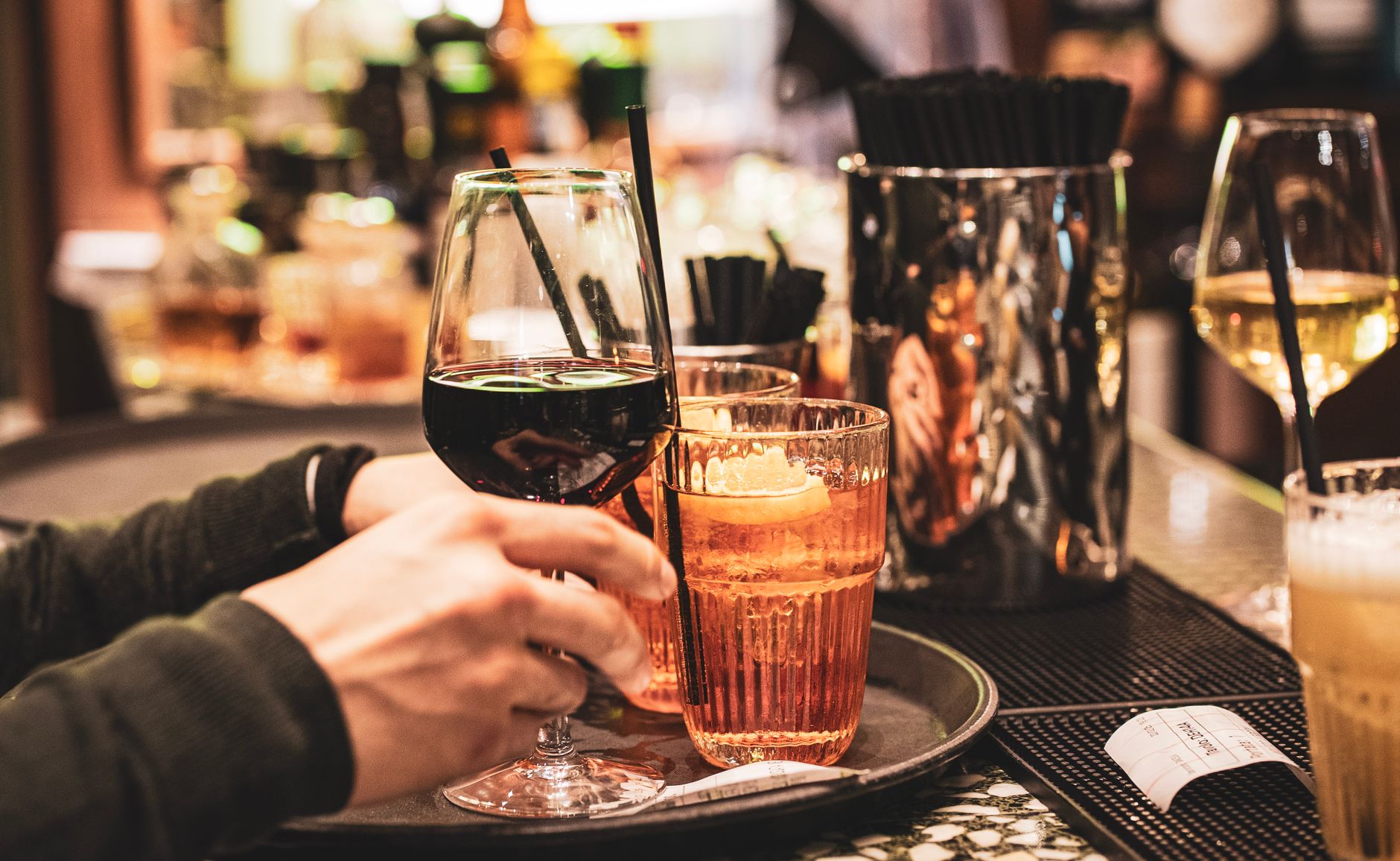
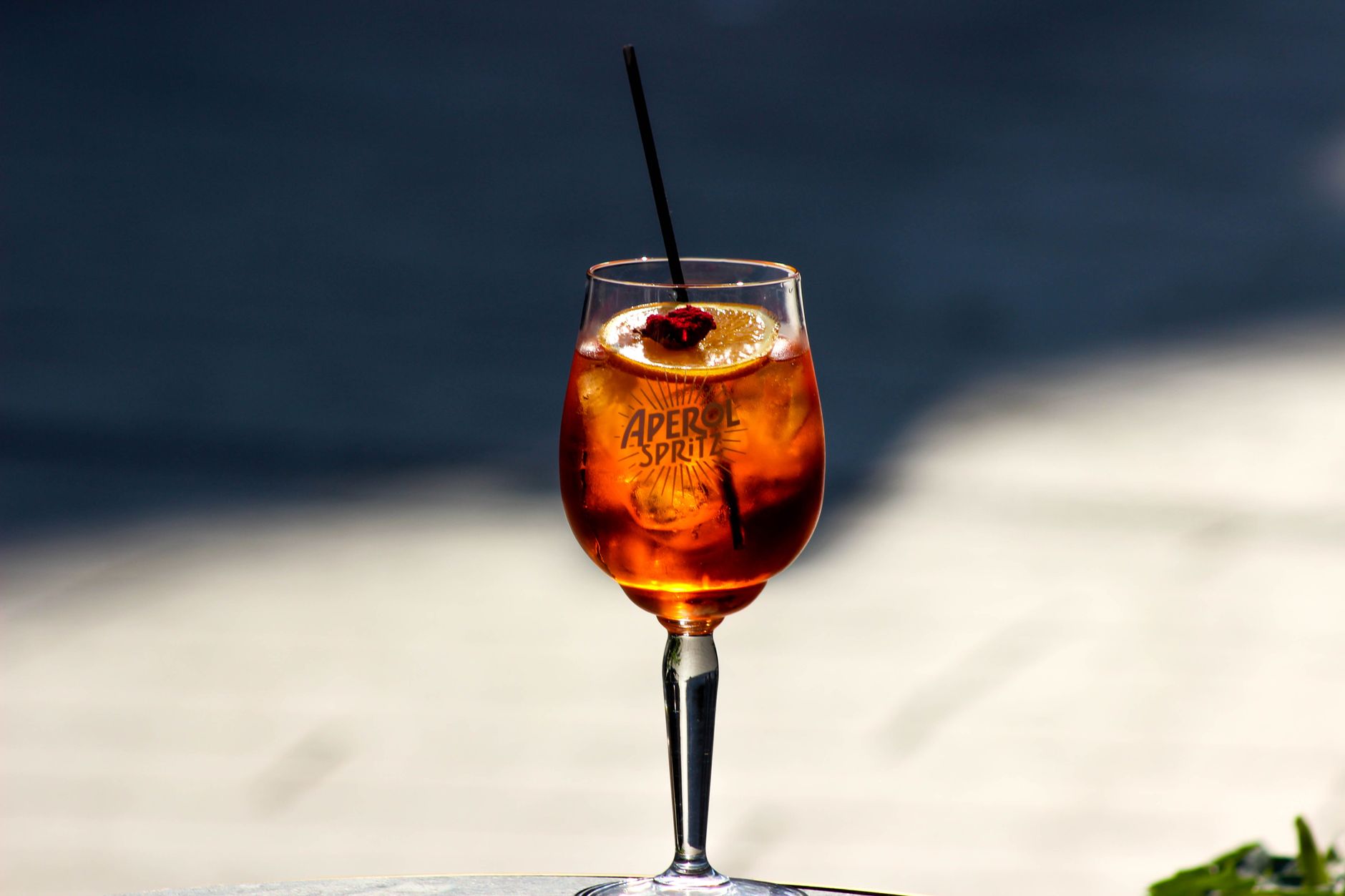
Two independent March 2025 reports agree on the headline number: the spritz is €4 across the city. Open Online framed it as Padova holding the line against industry pressure to raise prices, and Italia a Tavola reported bar owners publicly refusing to move above €4 because the drink was born here.
You will see guides promising a "€3 aperitivo in Padova." Treat that as marketing, not a price list. The verified floor is €4 for the drink and €2 for the food, and the honest way to hit a €3-feeling night is to order one spritz and eat cicchetti instead of a restaurant dinner.
That arithmetic is the whole point. Three evenings a week at €8 is €24 — roughly what one mediocre pizza-and-drink dinner costs in a tourist city. It is the single biggest reason Padova social life stays affordable on a student budget.
Why is the spritz still €4 in Padova and not €7?

📷 Marco Cassé / Pexels
Because the drink is local property, not an imported trend. Aperol was created in Padova in 1919 by the brothers Luigi and Silvio Barbieri, according to Italia a Tavola's March 2025 piece — and Cynar, the artichoke bitter you'll see on every back shelf, was created in the same city in 1948 by G.B. Pezziol.
Padovan bar owners used that origin story as the argument for refusing price rises. Italia a Tavola quoted the position plainly: the spritz was born here, so the price stays. That is unusual. In most Italian cities the aperitivo price simply tracks brand list prices upward.
There is a second, unromantic reason: volume. The University of Padova ranked first among Italian universities with more than 40,000 students in the Censis 2025 ranking, with a score of 90.3 out of 100, ANSA reported in July 2025. A permanently price-sensitive customer base of that size punishes any bar that jumps to €7 — the crowd just walks 200 metres.
Where do students eat for €2? The bacari of il Ghetto

📷 Max Fischer / Pexels
Il Ghetto is the former Jewish quarter, a knot of narrow lanes just south of Piazza delle Erbe, and it holds the densest cluster of bacari (small wine-and-snacks bars) in the city. This is the zone where you drink standing up, on the street, holding a paper napkin.
Corte Sconta on Via dell'Arco 9 is the one venue that publishes exact prices on its own site: cicchetti and spunciotti at €2–2.50 each, daily polpette (meatballs) at €2, and spritz from €4, open daily 18:00–02:00, according to the enoteca's own menu page. Spunciotto is simply the Padovan word for what Venice calls a cicchetto.
Order like a local: one ombra (a small glass of wine, Veneto dialect for "shade") and two or three spunciotti. That is a few euros on top of the drink, and it functions as dinner if you are not precious about it.
The rhythm matters more than the venue. Padovan aperitivo is mobile — one drink, one bar, then move. Standing outside with a plastic cup is normal here, not a sign that a place is cheap or bad.
What is the Navigli del Portello scene in summer?
From spring, the cheap aperitivo scene moves outdoors to i Navigli — Padova's canal district at the Portello. Il Mattino di Padova reported that the 2025 season ran from 20 March to mid-July with 8 kiosks along the water, open daily until 2am, and the spritz held at €4 even though Campari's brand list prices had risen roughly 10% that year.
That is the closest thing Padova has to a free open-air student club. You buy at a kiosk, you sit on the canal wall, and the price of entry is one drink.
Two practical notes. The season is seasonal — those dates were 2025's, so check before you plan a September night there. And the 2am closing time makes the Portello the default late leg of an evening that starts in the centre.
If you are arriving for a semester, the Navigli is also where you meet people without spending. Standing at a kiosk queue is a lower-stakes social setting than any organised Erasmus event, and it costs €4.
Which central venues should be on a first-week crawl?
Piazza delle Erbe and Piazza della Frutta are the twin squares that form the historic aperitivo hub, and three named places anchor them.
La Folperia, in Piazza della Frutta, is an octopus street stall run by the Schiavon family since 1993, continuing a tradition on the same spot since 1978, as documented by StorieEnogastronomiche. It has no seating of its own — you buy folpetti (boiled baby octopus) and borrow a table from the bar next door, spritz in hand. That pairing is the local ritual, not a workaround.
Bar Nazionale at Piazza delle Erbe 41 does around 20 varieties of tramezzino, heated on a griddle, and, according to StreetFood42's account of the bar's history, was the first bar in Padova to serve an authentic spritz, in 1986. Its Sluurpy listing, last updated 23 November 2025, gives daily hours of roughly 08:00–21:00. One dated 2023 user review on the same listing cited €3.50 for a takeaway tramezzino — a rough anchor, not a guaranteed menu price.
Vinet, on Via delle Piazze 1, serves the spritz euganeo: a local variant made with Fior d'Arancio moscato from the Euganean Hills and garnished with a jujube instead of an olive. Order that once and you'll understand why Padovans get territorial about the drink.
What are the timing traps that ruin a cheap night out?
The most common mistake in Erasmus aperitivo guides is assuming everything is open every day. Frascoli Bacaro, near the Basilica di Sant'Antonio at Via del Santo 93, opens Tuesday to Saturday — lunch 11:30–14:30, dinner 18:30–22:30 — and is closed Monday and Sunday, according to Frascoli's own site. Those are exactly the two nights a lot of guides send you there.
Second trap: sitting down. Table service in Italy can carry a coperto or a higher tariff than the counter. Standing at the bar keeps the €4 spritz at €4.
Third trap: chasing "aperitivo buffet" deals imported from Milan. Padova's model is small paid snacks, not an all-you-can-eat plate, and the paid version is usually cheaper for one person.
Fourth: the €4 price is defended, not legally fixed. Nothing stops an individual tourist-facing bar from charging more, so glance at the listino before you order in the most photographed corners of the centre.
How does aperitivo fit into a real Padova student budget?
Aperitivo is the cheap part of your month. Rent is not, and it is the number that decides whether three €8 evenings a week are comfortable or reckless — we didn't find a single well-dated, authoritative source for Padova-specific student room prices, so treat any figure you see quoted online without a source as a guess. Our student cost of living in Italy breakdown is the honest starting frame for the rest of your budget.
Get the paperwork done before the social calendar. You need a codice fiscale (Italian tax code) to sign almost anything, and non-EU students need a permesso di soggiorno (residence permit). Most student rooms use a contratto transitorio (short-term transitional contract), and your deposit (caparra) runs two or three months' rent — money you only get back with a written, registered contract.
For the room hunt itself, compare a few sources before committing to one: our comparison of the apps used to find rooms in Italy covers what each one is actually good at. Full disclosure: Coinquilino (coinquilino.app), a free app for finding rooms and roommates in Italy, is our app — it's included in that comparison alongside the alternatives.
The one-line version of this article: budget €8 for a spritz and two spunciotti, drink standing up, move bars between rounds, and check opening days before crossing town. If you want the wider context around that — how Italian social timing works, what's expected of you — read our Erasmus in Italy culture guide.
Frequently asked questions
Is there really a €3 aperitivo in Padova?
Not as a verified, sourced price. The reliable numbers are €4 for a spritz across the city in 2025, per Open Online and Italia a Tavola, and €2–2.50 per cicchetto at Corte Sconta according to its own menu. A €3 total exists only if you drink an ombra of house wine and skip food — which many students do.
What time does aperitivo start in Padova?
Roughly 18:00 onwards. Corte Sconta opens at 18:00 and runs to 02:00 daily per its own site, and the Navigli kiosks ran daily until 2am during the 2025 season according to Il Mattino di Padova. Arriving at 19:00 puts you in the middle of it.
Do I need to book a table for aperitivo?
Generally no, and booking works against the budget. The cheap version of Padovan aperitivo happens standing at the counter or outside on the street, which is the norm rather than a downgrade.
What should I order if I don't like Aperol?
A spritz al bitter (Campari), a spritz with Cynar — created in Padova in 1948, per Italia a Tavola — or the local spritz euganeo made with Fior d'Arancio moscato at Vinet. An ombra of white wine is the cheapest option of all.
Is Padova's nightlife good for meeting people as an Erasmus student?
The structure helps. With the University of Padova ranking first among Italian universities above 40,000 students in the Censis 2025 ranking reported by ANSA, the central squares function as a nightly open-air common room, and the standing, mobile format of aperitivo makes it easy to end the evening with different people than you started it.
Are the Navigli kiosks open all year?
No. The 2025 season ran 20 March to mid-July according to Il Mattino di Padova, so it is a spring-and-early-summer scene. Outside that window, the aperitivo moves back indoors to il Ghetto and the two central squares.
---
This article was produced with the help of AI tools and reviewed by the Coinquilino editorial team.