
Why did Denver rent stop rising in 2026?
Denver built its way into a renter's market. More than 20,000 new apartment units were delivered in 2024 alone, and by the end of Q4 2025 the metro had over 34,000 vacant apartments and a 7.6% vacancy rate — the highest in 16 years, per the Colorado Sun's reporting on AAMD data.
That glut kept climbing. By Q1 2026 the AAMD survey put vacancy at 10.9%, with effective rents down 8.6% year-over-year once concessions are counted, according to Sheepdog Property Management citing AAMD.
The result is the plateau above: an average rent identical to four years earlier. When landlords compete for tenants instead of the reverse, asking prices stall and the real cost of a lease falls faster than the sticker suggests.
The mechanics matter for anyone signing a lease this year. A high vacancy rate means empty units cost the landlord money every month they sit, so property managers move quickly to fill them with waived fees and free weeks rather than dropping the advertised rent. The headline number stays sticky while the effective cost quietly drops. That is why a Denver renter today can often negotiate more off a lease than the plateau alone would suggest. Miami saw a similar softening play out — see where Miami rents finally cracked for the parallel.
How much does the average apartment cost in Denver right now?
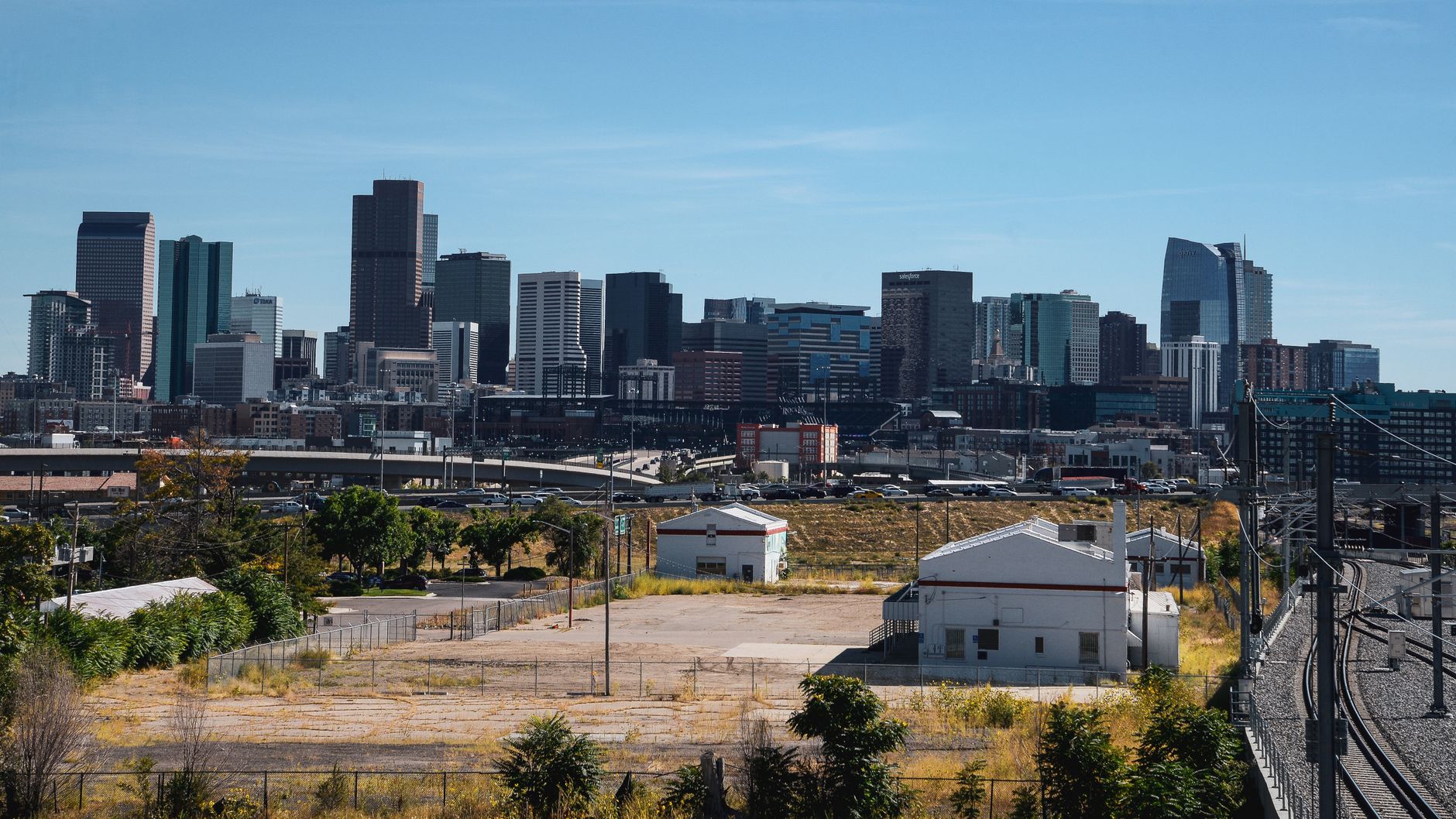
📷 Andrew Patrick Photo / Pexels
The headline number is $1,758/month for Q1 2026, matching Q1 2022 dollar for dollar, per the Colorado Sun citing AAMD. But averages hide the segment that moved most.
Denver County's one-bedroom average was $1,456/month in Q1 2025, down 6.3% year-over-year — the steepest county-level decline in the metro, according to the Colorado Sun citing AAMD's Q1 2025 report.
The hardest-hit segment was new construction. Apartments built since 2020 averaged $2,340/month in Q1 2025, down 7% from $2,516 three years earlier, per the same AAMD data. Class A buildings raced to fill units, so the newest addresses saw the deepest cuts. If you want the largest discount off recent-peak pricing, the shiny new lease-up is counterintuitively where to look.
Which 3 Denver areas actually dropped the most?
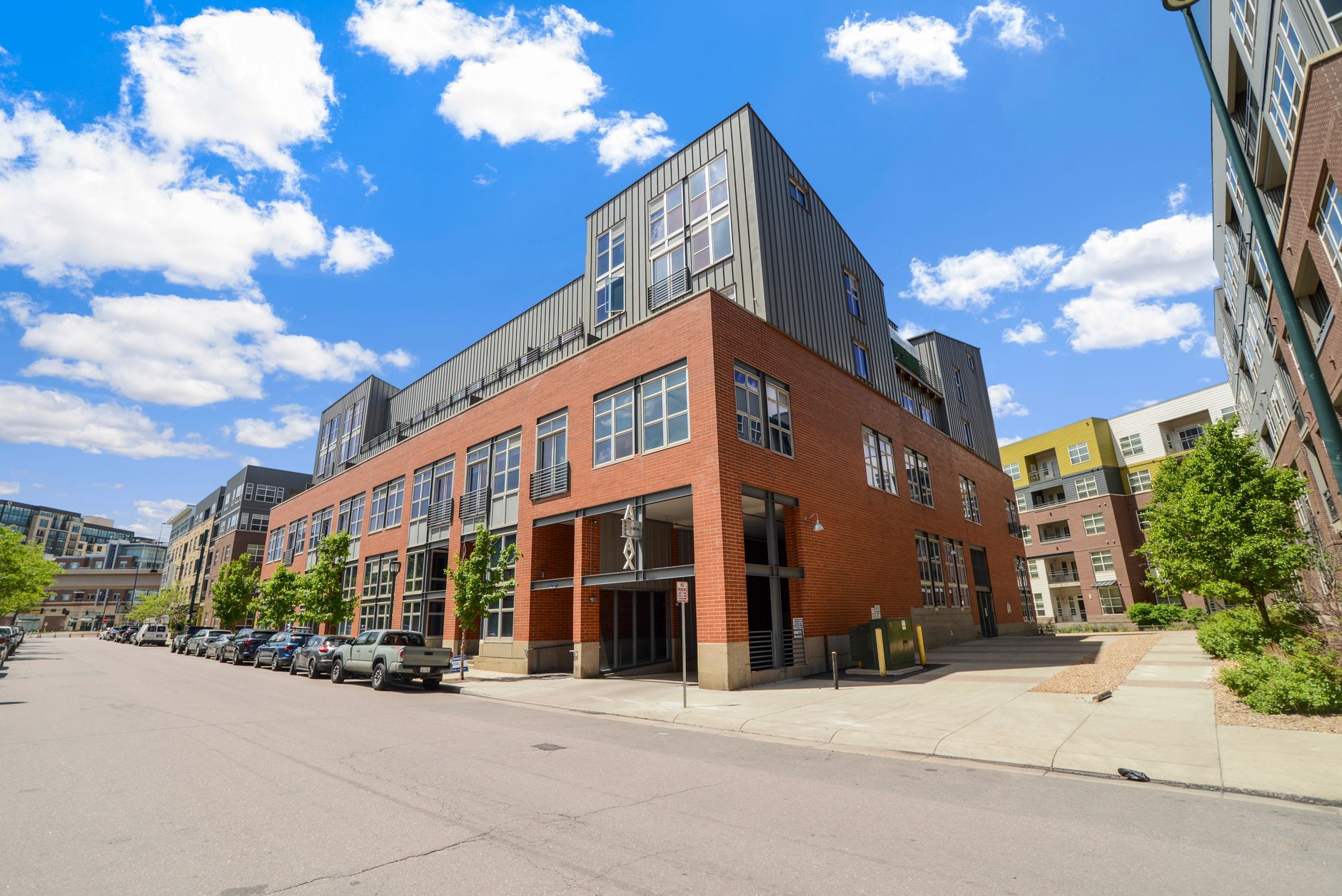
📷 hi room / Pexels
Public data doesn't publish clean year-over-year drops for every individual zip code, so it's more honest to point at where prices now sit well below the city line — the fingerprint of the correction. Three southwest Denver clusters stand out.
As of July 2026, RentCafe lists the most affordable Denver neighborhoods as Athmar Park at $1,202/month, College View-South Platte at $1,304, and Harvey Park at $1,310 — all far under the citywide figure.
Zoom to the zip: 80219 (covering the Athmar Park and Harvey Park area of southwest Denver) averaged $1,218/month in July 2026 — roughly 36% below the $1,906 city average, according to RentCafe. These aren't glamorous submarkets, but in a softening market they're where a modest budget stretches furthest.
Why these three cluster together makes sense on a map. All sit southwest of downtown, away from the Class A towers that got overbuilt, in older housing stock that never rode the luxury lease-up wave. When a market corrects, the neighborhoods that stayed cheap through the boom stay cheapest through the bust — and now the softening above them gives even these budget zones more concession room. For a comparable breakdown elsewhere, see how Austin's cheapest zips shifted.
Where is Denver rent still expensive?
The correction did not touch everyone equally. The premium submarkets held their ground and stayed well above the metro average.
RentCafe's July 2026 data lists the priciest neighborhoods as Cherry Creek at $2,966/month, Belcaro at $2,641, and Downtown Denver at $2,441. The gap between Cherry Creek and Athmar Park is nearly $1,800 a month for the same city.
AAMD's Q1 2026 submarket data tells the same story: the North-Central/City Park submarket averaged $1,816/month and Downtown Denver averaged $1,871 — both above the metro average — per Sheepdog Property Management citing AAMD. If your search centers on these zones, the renter's market gives you negotiating leverage rather than a low sticker price. Push on concessions, not just base rent.
How big are Denver's rent concessions in 2026?
This is where the softening gets real. In Q4 2025, 67.5% of Denver rental listings offered concessions — the highest share in the nation, versus a 39.5% national average, according to Westword citing Zillow and Apartment List.
The average concession was worth $169/month, roughly equal to four to five weeks of free rent, per the same reporting. That's why effective rent (asking rent minus the value of freebies) fell faster than headline rent.
Denver's national ranking confirmed the trend: rents were down 7.3% since September 2024, third-steepest in the country — only Colorado Springs fell further — per the Colorado Sun citing Zillow and Apartment List. When two-thirds of listings dangle a month free, the advertised rent is a starting bid, not a final price. Always ask what's being offered before you sign.
What new Colorado laws protect renters in 2026?
Two statutes took effect January 1, 2026, and both favor tenants. HB25-1249 prohibits landlords from deducting normal wear and tear from your security deposit, bans charges for carpets older than 10 years, and requires itemized documentation with photos or invoices, according to the Mile High Firm's summary of Colorado legislation.
HB25-1090 requires landlords to disclose the total monthly cost in every advertisement — including mandatory fees like trash and pest control — ending the old base-rent-only bait, per the same source.
Colorado also bans local rent control statewide; landlords can raise rent any amount but only once per 12-month period and must give 60 days' written notice, according to Steadily. Know these before you negotiate a renewal — a 60-day window is real leverage. If your search stretches to shared housing, our guide to splitting rent with roommates covers the math cleanly.
How to lock in a good Denver lease this year
Move deliberately. With 10.9% vacancy, you have time to compare and to counter. Get every quoted concession in writing, because a month free advertised online must survive HB25-1090's total-cost disclosure rule.
If a full apartment stretches your budget even at these softened prices, a room or a shared lease often wins. Coinquilino is a free room and roommate app from Italy, now available in the United States, built for finding a room or a compatible flatmate without a broker fee (full disclosure: Coinquilino is our app). It won't out-list the big US portals, but it's built around people, not just units.
A few practical moves in this market: apply to two or three units at once so you can play offers against each other, ask each property directly what concession they're running before you tour, and time your search for the slower winter months when vacancy pressure peaks. A 60-day rent-increase notice also means you can plan a renewal counter well in advance rather than reacting.
Whatever platform you use, verify the listing and never wire a deposit before viewing. Denver's soft market is genuine, but scammers exploit any market — the Craigslist rental scam red flags apply here too.
Is 2026 a good time to rent in Denver?
Yes, by the numbers. With average rent flat at $1,758/month (matching 2022), vacancy at 10.9%, and 67.5% of listings offering concessions in Q4 2025 per AAMD, Zillow and Westword reporting, renters hold more leverage than they have in years.
What is the cheapest area to rent in Denver?
As of July 2026, RentCafe lists Athmar Park at $1,202/month as the most affordable neighborhood, followed by College View-South Platte at $1,304 and Harvey Park at $1,310 — all in southwest Denver's zip 80219 area.
Did Denver rent actually go down in 2026?
Headline average rent held flat at $1,758, but effective rent fell 8.6% year-over-year once concessions are counted, and Denver rents were down 7.3% since September 2024 — third-steepest nationally, per the Colorado Sun citing Zillow and Apartment List.
Can my Denver landlord keep my security deposit for normal wear?
No. Under HB25-1249, effective January 1, 2026, landlords cannot deduct normal wear and tear, cannot charge for carpets older than 10 years, and must provide itemized documentation with photos or invoices, according to the Mile High Firm's summary of Colorado law.
How much notice must a Denver landlord give before raising rent?
Colorado requires 60 days' written notice before any rent increase, and rent can only be raised once per 12-month period; there is no local rent control anywhere in the state, according to Steadily.
---
This article was produced with the help of AI tools and reviewed by the Coinquilino editorial team.